From United States
+1-8007618913
From Canada
+1-2897685366
From United Kingdom
+44-2035140670
From Japan
+81 3-4578-4029
From Argentina
+54-2657459025
From Chile
+56-226665927
From Colombia
+57-6017940262
From Mexico
+52-7449800692
From New Zealand
+64-99508740
From Peru
+51-17009061
From Switzerland
+41-445514539
From Thailand
+66-25088458
From Singapore
+65-31585008
From Australia
+61-1800-507-258
From Turkey
+90-850-390-7486
From Italy
+39-800729010
From Portugal
+351-304500663
From Brazil
+55-6140426960
From France
+33-970019487
From Israel
+972-23752163
From Germany
+49 6107 6353100
From China
+86-1089171020
From South Korea (Domestic calls only)
00308 491 0209
From Poland
+48 732 126 852
From other countries or regions
+1-8007618913
From Taiwan(China)
+886 2 2656 3571
Live chat Email us Service Code: 4196272131
logo_img
Exploring Bolivia by car offers a unique way to experience its stunning landscapes and cultural diversity.
French travelers planning to rent a car in Bolivia often wonder:
  • Is a French driver's license valid in Bolivia?
  • What are the insurance requirements?
  • How much do car rentals typically cost?
  • Can I opt for one-way car rentals?
  • What traffic regulations differ from those in France?

This guide provides essential information, addressing the common concerns French travelers may have when renting a car in Bolivia. By the end, you'll have a clear understanding of the process and feel confident embarking on your Bolivian road trip.

Can French Citizens Drive in Bolivia?

Yes, French travelers can legally drive in Bolivia with the proper passport, driving licence, and an International Driving Permit, subject to age and payment card rules.

  • Form of ID:

    Foreign renters must present a valid physical passport for the main driver (and any additional drivers).

  • Driving licence:

    The main driver and any additional drivers must present a full physical driving licence with no major endorsements, held for at least 1 year. Accepted driving licence include:
    • Original driving licence + International Driving Permit (IDP) (the IDP is only a translation; the original licence must also be presented).

  • Accepted cards:

    Physical credit cards in the full name of the main driver are required for payment and deposit. Accepted credit cards include Visa, MasterCard, and American Express. Prepaid or debit cards are not accepted for the deposit.

  • Age requirements:

    Depending on the specific offer, the minimum and maximum driver age ranges from 18–80 or 24–75 years. For some offers, young drivers are accepted from 18 years, with a surcharge (e.g., about US$4.00–4.64 per day) for drivers roughly between 18–21/22 years old. Exact applicable age range and fee will be shown for the selected car at booking.

Ready to Rent?

Requirements may vary between rental companies. Always confirm details when booking.

Check Rates

Which Car Rental Companies Are Best?

Choose from trusted global chains or innovative local alternatives. Each offers different advantages for French travelers visiting Bolivia.

Global Chain Companies

Local Brands

  • Europcar

    global
    8.5

    Locations:

    39

    Prices:

    $$

    Key Advantages

    • Extensive network across the globe
    • Competitive pricing
    • Online booking and management
    • Loyalty program benefits

    Best for

    Leisure travelers and business trips
  • Keddy by Europcar

    global
    8.5

    Locations:

    18

    Prices:

    $$

    Key Advantages

    • Strong presence across Europe
    • Flexible rental options
    • Excellent customer service
    • Easy online booking

    Best for

    Budget-conscious travelers and families
Recommendations for French Travelers
Choose Global Chains If:
  • You prefer established worldwide brands
  • You need widespread support and services
  • You prioritize consistent vehicle quality
  • You require advanced customer support options
Choose Local Brands If:
  • You are focused on cost-effective options
  • Your travel is limited to urban centers
  • You wish to explore unique local offerings
  • You are comfortable using local apps and services

How to Choose the Right Car?

Choosing the right rental car can make your journey more comfortable, safe, and enjoyable. Consider your travel group, the destinations on your route, and the type of driving you'll be undertaking. With QEEQ, you can compare multiple car types and policies to find the one that best suits your needs.

  • Seating and Luggage

    Consider your travel group size and luggage needs.

    • Economy cars (2-4 people, 1-2 suitcases)
      Perfect for city driving and short trips.

    • Compact cars (4-5 people, 2-3 suitcases)
      Good balance of space and fuel efficiency.

    • Mid-size cars (5 people, 3-4 suitcases)
      Comfortable for longer distances.

    • Full-size/SUV (5-7 people, 4+ suitcases)
      Ideal for families and group travel.

  • Transmission Type

    Choose between automatic and manual transmission.

    • Automatic transmission
      Easier for city driving and traffic, more common in USA.

    • Manual transmission
      Often cheaper, better fuel economy, more control.

    • Most Polish drivers prefer automatic for USA road trips.

    • Consider your comfort level with left-hand driving and automatic cars.

  • Insurance Included

    Check what insurance coverage comes with your rental.

    • Basic liability
      Covers damage to other vehicles and property, usually included.

    • Collision Damage Waiver (CDW)
      Covers damage to your rental car, often optional.

    • Theft protection
      Protects against car theft, may be included or additional.

    • Personal insurance
      Check if your Polish insurance or travel insurance covers rentals.

  • Cancellation Policy

    Understand booking flexibility and fees.

    • Free cancellation
      Usually available up to 24-48 hours before pickup.

    • Prepaid vs. Pay-at-counter
      Prepaid often cheaper but less flexible.

    • Change fees
      Cost to modify dates, locations, or car type.

    • Travel insurance
      Consider coverage for trip cancellations or delays.

  • Mileage Policy

    Check distance restrictions and additional charges.

    • Unlimited mileage
      Best for long road trips and cross-country travel.

    • Limited mileage
      Cheaper daily rate but extra charges for excess miles.

    • Consider your planned route distance and potential detours.

    • Factor in mileage costs when comparing total rental prices.

  • Fuel Policy

    Understand fuel requirements and costs.

    • Full-to-Full
      Return with same fuel level, most economical option.

    • Full-to-Empty
      Pay upfront for full tank, convenient but often more expensive.

    • Same-to-Same
      Return with same level as pickup, fair pricing.

    • Pre-purchase fuel options
      Compare costs with local gas station prices.

Quick Decision Guide

  • City Travel

    Compact/Economy car with automatic transmission, full-to-full fuel policy.

    La Paz, Santa Cruz
  • Road Trip

    Mid-size/Full-size car with unlimited mileage, flexible cancellation.

    cross-country
  • Vacation

    Convertible/SUV with comprehensive insurance, prepaid fuel option.

    Uyuni, Cochabamba, Sucre

Compare with Confidence on QEEQ

Don't settle for the first option you find. QEEQ makes it easy to compare car types, policies, and total costs from multiple providers. See all fees upfront, read real customer reviews, and choose the perfect car for your adventure.
  • Compare all car rental deals
  • No hidden fees
  • Real customer reviews
Check Rates

What Are the Popular Destinations in Bolivia?

Bolivia offers travelers captivating landscapes and vibrant cities. From the bustling streets of La Paz to the tranquil beauty of Lake Titicaca, explore the country's unique charm through car rentals.

What Insurance Do I Need?

Travelers from France renting a car in Bolivia must ensure they have adequate insurance coverage. While basic coverage might be included, additional protection is recommended for peace of mind when driving in a foreign country.

Types of Insurance Coverage
  • Collision Damage Waiver (CDW)

    Covers damage to the rental car due to accidents or collisions.

    €14-23/day
    Essential
  • Theft Protection (TP)

    Provides coverage in case the rental car is stolen.

    €4-7/day
    Essential
  • Third Party Liability Insurance

    Covers damages or injuries to third parties caused by the rental vehicle.

    Often included in rental price
    Included
  • Personal Accident Insurance (PAI)

    Covers medical emergencies for the driver and passengers during rental duration.

    €4-8/day
    Optional
  • Roadside Assistance

    Provides assistance in case of breakdowns, flat tires, or towing needs.

    €3-5/day
    Optional
QEEQ's Complete Protection Solutions

Perfect for travelers who want comprehensive protection without the complexity. One price covers everything, and AXA's trusted network ensures reliable claims processing throughout Bolivia. Get comprehensive coverage online for about 50% less than counter rates.

Coverage Feature
QEEQ Full Coverage
Basic Rental Company
Collision Damage Waiver

Fully Covered

$31.57 - $11,190.00
Theft Protection

Fully Covered

$100.00 - $3,900.00
Personal Accident Insurance

Fully Covered

Not Covered
Tire, Window, Mirror Damage

Fully Covered

Not Covered
Roadside Assistance

Fully Covered

Not Covered
Know more About QEEQ Full Coverage

Tips for Affordable Car Rentals in Bolivia

Travelers from France can maximize their savings with these practical car rental tips tailored for Bolivia. Plan ahead and enjoy a smoother experience.

Booking Tips for lower Prices
  • Book Well in Advance
    Secure your rental car at least 3-6 weeks before your trip to get the best rates and a wider selection of vehicles.
    Save up to 35%
  • Use Comparison Websites
    Platforms like Kayak, Rentalcars, and DiscoverCars allow you to compare rates between multiple providers for the best deals.
    Save up to 20%
  • Opt for a Full-to-Full Fuel Policy
    This policy ensures you only pay for the fuel you use. Refill the tank at local stations to avoid high charges from car rental companies.
    Save €15-€30
  • Consider Adding Extra Drivers Strategically
    Many rental companies charge for additional drivers. Only add them if necessary to avoid extra costs.
    Save €5-€15 per day
  • Check for Discounts and Coupons
    Look for discount codes online or via travel loyalty programs to get additional savings on your rental.
    Save up to 10%
QEEQ's Money-Saving Features
  • Diamond Membership
    Save up to 20% on every booking - free trial available below.
    View Details
  • Price Drop Protector
    If your booked car price drops, QEEQ automatically rebooks it at the lower rate and refunds the difference to you.
    View Details
  • One-Dollar Freeze
    Lock in today's price with just $1 upfront and pay the rest later.
    View Details
  • Flexible Payments
    Pay with credit/debit cards or even cryptocurrency via BitPay.
    View Details

What Should You Pay Attention To?

Important considerations and potential issues to watch for when renting a car in Bolivia.

  • Hidden Fees
    Be aware of unexpected expenses that may increase the rental cost.
    • Additional charges for crossing borders
    • Mandatory insurance fees
    • Late return penalties
    • Extras like GPS devices or child seats
  • Insurance Coverage
    Understand the insurance policies to avoid paying unnecessary fees.
    • Check if your travel insurance or credit card offers rental car coverage
    • Confirm what is included in the rental's basic insurance
    • Be aware of excess fees and consider additional coverage if needed
    • Clarify any exclusions in the policy
  • Fuel Policies
    Understand the fuel return policies to avoid additional charges.
    • Some companies require a full-to-full fuel policy
    • Clarify any penalties for not refueling
    • Locate nearby fuel stations before returning the car
  • Inspect the Vehicle
    Ensure the car's condition is properly documented before and after rental.
    • Check for pre-existing damage
    • Take photos of the car's exterior and interior
    • Report any issues to the rental company immediately
  • Rental Agreement
    Review all terms and conditions in the rental contract.
    • Understand mileage limits and associated fees
    • Check for any restrictions on vehicle usage
    • Know the process for reporting and resolving accidents
  • Pickup and Drop-off Timing
    Plan your rental schedule to avoid additional costs.
    • Confirm office hours for pickup and return
    • Late returns might incur full-day charges
    • Early returns might not result in a refund
Remember

Being prepared and knowing what to expect can save you hundreds of dollars and prevent stressful situations. Take time to understand all terms and inspect your rental thoroughly.

What Are The Differences Between French and Bolivian Traffic Rules

French and Bolivian traffic rules differ significantly in road conditions, signage, and enforcement, though some rules remain similar.

  • Traffic Signals

    BO

    Traffic signals may be less standardized and occasionally non-functional

    FR

    Traffic signals are standardized and mostly functional

  • Road Conditions

    BO

    Mountainous roads with frequent gravel and unpaved sections

    FR

    Well-maintained roads with clear markings

  • Accident Procedure

    BO

    May require police report for insurance claims

    FR

    Accident handling is streamlined with insurance forms

  • Alcohol Tolerance

    BO

    Strict rules with very low BAC limits

    FR

    Moderate tolerance with standardized BAC limits

  • Mobile Phone Use

    BO

    Hands-free operation required

    FR

    Hands-free operation required

  • Seatbelt Laws

    BO

    Mandatory for all occupants

    FR

    Mandatory for all occupants

  • Parking Rules

    BO

    Parking often unregulated in rural areas

    FR

    Parking is regulated and enforced in most areas

  • Remember
    • • Always carry your driver's license and car rental documents.
    • • Be cautious while driving in mountainous and rural areas.
    • • Adapt to local driving customs to ensure safety.
    • • Familiarize yourself with local road signs before traveling.
Voices of our customers

Frequently Asked Questions

Common questions for travelers from France renting a car in Bolivia

As a French citizen, is my French driving licence enough to rent a car in Bolivia?

No, your French licence alone is not sufficient. You must obtain an International Driving Permit (IDP) in addition to your French licence. This document must be presented together with the original licence. Most rental companies and Bolivian law require it.

What is the minimum age to rent a car in Bolivia?

The minimum age is generally 25. Some companies accept drivers aged 21 to 24, but they often charge a young driver fee and restrict the available vehicle categories.

Which documents do I need to present to pick up the rental car?

You must provide: your valid French passport, your French driving licence, your International Driving Permit, the main driver’s credit card, and the rental voucher (printed or digital).

Do I need specific vaccinations before travelling to Bolivia for a road trip?

Yes. Yellow fever vaccination is strongly recommended and may be required depending on the regions visited. Consult your doctor about vaccines for hepatitis A, typhoid and tetanus, and discuss altitude sickness.

Is it safe for a French family with young children to drive in Bolivia?

It’s possible but risky. Roads are often in poor condition, distances are long and emergency services are limited. Bring your own child seats or confirm their availability. Plan short driving legs and an emergency plan.

What is the best time of year for a road trip in Bolivia?

The dry season, from April to October, is ideal: roads are more passable and the weather is more stable. Avoid the rainy season (November to March), when many roads become impassable.

What fuel budget should I plan? Are prices different for foreigners?

Yes, there is a dual pricing system. Foreigners pay the “international price”, roughly three times higher than the local price. Expect to pay 8 to 10 BOB per litre of petrol. Always check the price before filling up.

Which travel insurance should I choose? Is my French bank card enough?

Your bank card insurance is generally not sufficient. You must take out travel insurance that covers: high altitude, medical evacuation, rental excess, third‑party liability and trip cancellation. Check each clause carefully.

What is mobile and internet coverage like in rural areas?

Very limited. Large cities have good 4G coverage, but in remote areas (Salar de Uyuni, Altiplano) there is often no signal at all. Download offline maps and consider renting a satellite phone.

How can I deal with the language barrier (French/English vs Spanish)?

Most of the country speaks neither French nor English. Bring an offline translation app, learn key phrases in Spanish, and keep a phrasebook handy.

Where should I book a rental car for Bolivia? Do I need to go through a local agency?

It is strongly recommended to book through a reliable international platform such as QEEQ, which offers clear terms, multilingual support and increased booking security, unlike some local agencies.

Why choose QEEQ for car rental in Bolivia?

QEEQ lets you compare prices, provides clear insurance conditions in English/French, offers multilingual customer support, secures your payment and helps reduce the risk of scams or extra charges on arrival.

What type of vehicle should I rent for a Bolivian road trip? Is a city car enough?

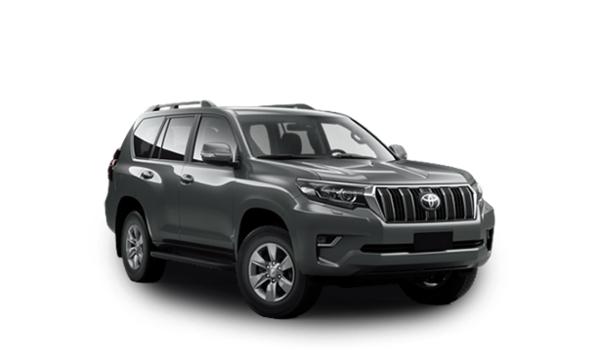
A European city car is unsuitable. You absolutely need a robust, high‑clearance 4x4 (e.g. Toyota Land Cruiser). Roads are often unpaved, rough and sometimes crossed by rivers.

Which insurance should I choose when booking on QEEQ? What do CDW and TP mean?

CDW (Collision Damage Waiver) limits your financial liability in case of damage, but the excess remains high. TP (Theft Protection) covers theft of the vehicle. Take out additional insurance to cover the high excess.

Is it better to pay for the rental in euros online or in bolivianos on site?

Favour prepayment in euros (or US dollars) online via QEEQ to secure the rate and the reservation. On site, the security deposit and fuel will have to be paid by bank card and in cash (BOB or USD).

Can I rent in La Paz and return the car in Uyuni or Sucre?

Yes, but one‑way fees are very high (sometimes several hundred US dollars). It is often more economical to plan a round‑trip itinerary.

Why are 4x4 rental rates so high in Bolivia?

Because of the high cost of import, maintenance, high risk, and a non‑competitive market. Expect to pay US$100 to US$150 per day for a reliable 4x4.

Should I book extra equipment such as GPS, child seats or a roof rack?

The supplied GPS is often outdated: use your smartphone with offline maps instead. For child seats, bring your own if possible. Request two spare wheels, a full tool kit, a shovel and fuel cans.

How far in advance should I book my vehicle (high season)?

Book 3 to 6 months in advance, especially for the dry season (June–August). Good 4x4s get booked quickly and last‑minute reservations are expensive.

Can I add a second driver? What are the conditions?

Yes, usually for an additional daily fee. The second driver must present a passport, national licence and International Driving Permit and must be present at pick‑up.

What is the first thing to do when arriving at the rental counter?

Prepare all your documents, be patient, read the rental agreement carefully (even if it’s in Spanish, use a translator) and check the amount of the security deposit and the insurance conditions.

What is the amount of the security deposit and how is it held?

The security deposit is very high: US$1,500 to US$5,000, held as a pre‑authorisation on your credit card. Check your card limit before departure. Debit cards are rarely accepted.

What are the key points of the vehicle inspection?

Photograph everything: scratches, dents, tyres (including the spare wheel), windscreen, interior, lights. Have everything recorded on the vehicle condition report and never rely on a verbal “don’t worry about it”.

What mechanical checks should be done before leaving the station?

Check that both spare wheels are in good condition, the tool kit is complete, oil and fluid levels are correct, the 4x4 system works properly, and that fuel cans are provided if requested.

The contract is entirely in Spanish. What should I do?

Use Google Translate to scan the key clauses. Pay attention to the deposit, insurance, excess and the procedure in case of an accident. Do not sign anything you do not understand.

What should I do if the car provided is not the one booked or is in poor condition?

Politely but firmly refuse the vehicle, show your QEEQ confirmation and detail the issues. Contact QEEQ support if necessary.

Should I take a photo of the rental agent and their contact details?

It’s not excessive. At a minimum, get a business card with the agent’s name and the company’s 24/7 emergency number.

The fuel tank is not full. What should I do?

Have the exact level noted on the contract, photograph the fuel gauge and mileage. That way, no dispute will be possible when returning the car.

Are there any hidden fees I should ask about at the counter?

Explicitly ask about possible airport surcharges, local taxes, additional driver fees or one‑way fees. QEEQ usually shows these costs at booking, but it’s best to double‑check.

Which documents must the agency provide you with?

You must leave with: the rental agreement, the vehicle registration document (RUAT), the compulsory insurance certificate (SOAT), and the agency’s emergency contacts.

What is the biggest shock for a French driver in Bolivia?

The unpredictability and poor quality of the roads. Many main roads are unpaved, road signs are rare and local driving is very aggressive and erratic.

How should I manage altitude sickness while driving?

Allow 2–3 days to acclimatise before driving, drink plenty of water and coca tea, avoid alcohol and heavy meals. If you experience symptoms (headache, nausea), stop and rest.

Can I drive on the “Death Road” (Yungas) with a rental car?

No, most rental agreements explicitly forbid it. In case of an accident, you are not covered. If you want to experience it, go with an organised tour.

How do I drive on the Salar de Uyuni?

It is very risky without a guide: no landmarks, corrosion risk, hidden water holes. Many rental contracts forbid going there. Opt for a local tour with a driver instead.

How should I react during a police check?

Stay calm and polite. Present your documents. If you are asked for a bribe, pretend not to understand and request an official report. Never hand over your original documents.

What is the procedure for refuelling, especially with dual pricing?

Always ask the price before filling up, pay in cash (BOB), and expect that some stations may refuse to sell to foreigners. Fill up whenever the tank drops below half.

What should I do in case of a breakdown in the middle of the countryside?

Always carry water, food, warm clothes, a first‑aid kit, a torch and, if possible, a satellite phone. Try to call the rental company, or wait for a vehicle to pass and ask for help.

Are there toll roads in Bolivia?

Yes, on some main roads. They are inexpensive and must be paid in cash. Always keep small change on hand.

What are the main dangers of night driving?

Avoid driving at night: unlit vehicles, animals on the road, drunk drivers, potholes, and robbery risks. Always plan to arrive at your destination before nightfall.

How can I get around in a chaotic city like La Paz?

With a lot of patience. Traffic is chaotic and minibuses stop anywhere. Prefer hotel parking and get around on foot or by taxi.

What is the procedure for returning the vehicle?

Allow at least one hour, be present for the full inspection and compare it with the initial condition report. The photos you took at pick‑up are essential in case of a dispute.

What should I do if the agent finds damage I did not cause?

Stay calm and show your departure photos. Refuse to sign an abusive damage report. If needed, notify QEEQ and your bank or insurance provider.

Do I have to return the car with a full tank?

Yes, if the contract requires it. Keep the receipt from the last fill‑up. Otherwise, the company will charge you for fuel at an inflated price.

Do I need to wash the car before returning it?

It is advisable. After a road trip, the car will be very dirty, and some companies charge high cleaning fees. A quick wash can help you avoid these charges.

When will the security deposit be released?

Once the damage‑free return is validated, the company starts the process to release the pre‑authorisation. The delay is typically 7 to 14 business days.

Which document should I obtain when returning the car?

Request a signed receipt or final document stating that the car has been returned, without damage and with the correct fuel level. Do not leave without this proof.

What if I receive a fine or ticket after I return to France?

The rental company will charge the fine to your bank card, plus an administrative fee. This is common practice for international rentals.

What should I do if I notice an unjustified charge on my bank card after the rental?

Contact the rental company first to dispute the charge. If necessary, file a claim with your French bank, providing all supporting documents (contract, photos, return receipt).

Is it possible to cross the border with a Bolivian car (to Peru or Chile)?

No, this is generally forbidden by Bolivian agencies. The formalities are complex and costly. Cross the border by bus and then rent a car in the neighbouring country.

After all these warnings, is renting a car in Bolivia really worth it?

Yes, for well‑informed, well‑prepared and cautious travellers. It is a unique experience that offers unmatched freedom to discover Bolivia’s extraordinary landscapes. But you must accept the risks and remain vigilant.

Still have questions?

Contact QEEQ via online chat or hotline for specific advice. Contact Support