What documents do I need to rent a car in Bolivia as a Brazilian traveler?
You must have a valid Brazilian driver's license (CNH), your passport, and a credit card in the name of the main driver. Some rental companies may also require an International Driving Permit (PID), so it's wise to bring one for extra security.
Is my Brazilian driver's license accepted throughout Bolivia?
Yes, your CNH is accepted by most rental agencies for tourist purposes. However, some police officers may not be familiar with foreign licenses, so having the International Driving Permit (PID) helps avoid misunderstandings.
Do I need to be a minimum age to rent a car in Bolivia?
Most rental companies require the driver to be at least 21 years old and have held a license for at least one year. Drivers under 25 may pay a young driver fee.
Can I rent a car if I only have a provisional driver's license?
No, only full and valid driver's licenses are accepted. Provisional or learner's licenses are not valid for car rentals.
Do I need a credit card to rent a car?
Yes, a credit card in the main driver’s name is required for the security deposit (caução). Debit cards are not accepted for this purpose.
Is car insurance mandatory in Bolivia?
Yes, by law every rental car must have basic liability insurance (SOAT). However, this only covers third-party damages. To protect yourself against damages to the rental car, additional coverage is recommended.
Are there any restrictions for Brazilian travelers renting a car in Bolivia?
Apart from age and license requirements, you should check visa regulations and make sure your stay as a tourist is valid for the intended rental period.
Can I add an additional driver to my rental contract?
Yes, but the additional driver must also present a valid license and passport. There is often an extra fee for adding drivers.
What is the best way to find and compare car rental prices in Bolivia?
The most efficient and secure way is to use an online comparison platform. I highly recommend QEEQ.com, which aggregates offers from multiple local and international agencies, provides clear price comparisons, and supports several languages.
Why should I book through QEEQ.com instead of directly with the rental agency?
QEEQ.com offers competitive pricing, transparent comparisons, and often includes basic insurance at a better rate. The platform also allows you to add extra protection, like excess reimbursement insurance, for more peace of mind.
What is CDW/LDW insurance and is it enough?
CDW (Collision Damage Waiver) or LDW (Loss Damage Waiver) limits your financial responsibility in case of damage or theft. However, it does not eliminate your liability; you will still be responsible for the deductible (franchise), which can be very high in Bolivia. For complete protection, consider extra coverage.
How can I protect myself from high deductibles in case of an accident?
Book through QEEQ.com and choose the 'Excess Reimbursement Insurance' option. If you are charged the deductible by the rental agency for damages, QEEQ.com will reimburse you after you submit the necessary documentation.
What hidden costs should I expect when renting a car in Bolivia?
Be aware of airport fees, additional driver fees, young driver fees, optional extras (GPS, child seats), and local taxes (IVA, 13%). QEEQ.com provides a clear breakdown of all included and excluded costs.
Can I take a Bolivian rental car across the border to Peru or Chile?
Generally, no. Most rental companies strictly prohibit international border crossings. Attempting to do so will void insurance and can lead to serious legal issues.
How far in advance should I book my rental car, especially a 4x4?
4x4 vehicles are in high demand and have limited availability. Reserve at least 2-3 months in advance, especially in high season (June to September). For regular cars, 1 month is usually enough.
Do rental prices vary a lot between Bolivian cities?
Yes. Santa Cruz de la Sierra is usually cheaper with more options than La Paz or Sucre. International airports like Viru Viru (VVI) tend to have the best prices due to higher competition.
What type of car is most recommended for driving in Bolivia?
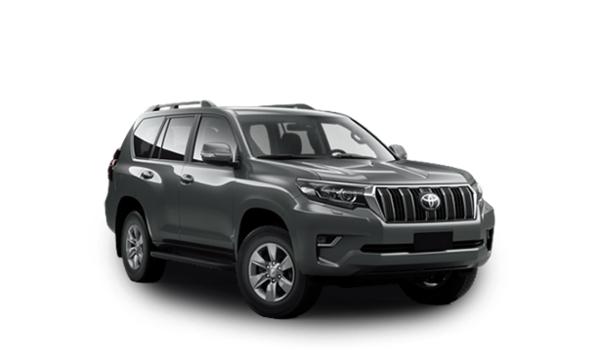
For most tourist routes, especially if visiting the Salar de Uyuni, Altiplano, or rural roads, a 4x4 is essential. For trips between major cities on paved roads, a regular car will suffice, but a 4x4 offers more safety and versatility.
What should I inspect carefully before leaving with the rental car?
Do a thorough 360-degree inspection. Photograph and film all sides, focusing on any scratches or dents, no matter how small. Check tires (including spare), tools, lights, wipers, air conditioning, car documents, and fuel level.
Are most rental cars in Bolivia manual or automatic?
Most vehicles, especially 4x4s and economy models, are manual. Automatics are rare and much more expensive, so reserve early if you need one.
Should I rent a GPS from the agency or use my phone?
Use your phone with offline maps (Google Maps or Maps.me). GPS units from agencies are often expensive and outdated. Bring a phone holder and car charger.
What if the car I reserved is not available at pickup?
The agency must provide a vehicle of the same or higher category at no extra cost. If they offer a lower category, refuse and demand a proper replacement or a significant discount. Contact QEEQ.com support immediately if booked through them.
Do rental cars in Bolivia come with emergency equipment?
By law, cars must have a warning triangle, fire extinguisher, and first aid kit. For 4x4s, check for a jack, lug wrench, and a good spare. Bring extra items like a flashlight, gloves, and jumper cables.
What are the main road conditions like between major Bolivian cities?
Main highways (like Ruta 1) connecting big cities are mostly paved and in reasonable condition, but you may encounter potholes, roadworks, and poor signage. Always drive attentively and avoid night driving.
Is it safe to drive the 'Death Road' (Camino a los Yungas) with a rental car?
It is extremely risky and most rental insurances do not cover accidents on this stretch. It is recommended to do this tour with a specialized agency, generally by bike, not with a rental car.
What are the most important traffic rules for Brazilian drivers in Bolivia?
1) Drive on the right. 2) Seat belts for all passengers are mandatory. 3) Speed limits are usually 80 km/h on highways and 40-50 km/h in cities, but signs may be lacking—use common sense. 4) No mobile phone use while driving. 5) Watch for animals on rural roads.
What are 'bloqueos' (road blockades) and how should I handle them?
Road blockades are social protests that can close highways for hours or days. Always ask locals about road conditions before long trips. If you encounter one, wait patiently. Do not try to cross—it can be dangerous. Always carry water and snacks.
Is driving in La Paz very complicated?
Yes, it’s a big challenge. Traffic is chaotic, streets are steep and narrow, and signage is poor. The altitude also affects car and driver performance. Avoid driving in central La Paz if possible; use taxis or public transport.
How does altitude affect car performance?
At high altitudes, engines lose power due to thin air (up to 30% less). The car will feel weaker, especially uphill. Be patient, use lower gears, and avoid over-revving.
Are there many tolls on Bolivian highways? How do they work?
Yes, there are tolls on main highways. They are cheap (2-10 Bolivianos). Always carry small bills and coins, as they don’t accept cards and may not have change for large notes.
Is it safe to drive at night in Bolivia?
No, avoid night driving whenever possible. Roads are rarely lit, signage is poor, and you risk encountering animals, people, unlit vehicles, or potholes. Plan to reach your destination before dark.
Is it true that gasoline prices are different for foreigners?
Yes. By law, vehicles with foreign plates or rentals used by foreigners must pay the 'international price,' about three times higher than the subsidized local rate.
How does the fuel payment process work for foreigners?
At official YPFB stations, the attendant must register your license plate and issue a receipt at the international price. Some small rural stations may refuse to sell or negotiate an 'intermediate' price in cash without a receipt.
Is it possible to fill up at the local fuel price?
It is illegal and risky. Some attendants may offer to sell at the local rate for cash off the books, but this is irregular. Always ask for a receipt and pay the official price to avoid problems.
Is gasoline easy to find in remote areas like the southern Altiplano?
No. Fuel stations are very scarce in remote regions like the road to Salar de Uyuni and the colored lagoons. Always top up whenever your tank is below two-thirds and consider carrying extra fuel cans if the rental company allows.
What should I do if stopped by traffic police?
Stay calm, be polite, and have your documents ready. Do not offer money. Unfortunately, extortion attempts ('coima') can happen. Ask to see any fine in writing and say you prefer to pay officially at a bank or station.
How do I handle a police extortion attempt?
Pretend not to understand Spanish well. Calmly request a written ticket and state a preference to pay at the police station. Never hand over your original documents, only show them. Usually, this discourages further demands.
What are the main security risks when driving in Bolivia?
The biggest risks are road and traffic conditions, not violent crime. In cities, do not leave valuables visible in the car and use secure, well-lit parking. In rural areas, watch out for animals and road blockades.
What should I do if my car breaks down in the middle of nowhere?
Check if your rental includes roadside assistance and have the phone number handy. In remote areas, coverage may be limited. Try to have a local SIM card for calls. If no signal, wait for another vehicle to pass or walk to the nearest settlement. Always carry extra water and food.
Is it common to have flat tires on Bolivian roads?
Yes, especially on gravel roads in the Altiplano and Salar de Uyuni. Before leaving, make sure you know how to change a tire and that the spare and tools are in good condition. Ask for a demonstration if unsure.
Can I drink alcohol and drive? What is the limit?
Zero tolerance. Bolivian law is extremely strict. If you are caught driving under the influence, you risk heavy fines and even imprisonment. Do not drink at all if you will be driving.
What is the fuel policy when returning the car?
Most agencies use the 'full-to-full' policy. Return the car with a full tank. Take a photo of the fuel gauge and mileage at drop-off as proof. Otherwise, you will pay for missing fuel plus a hefty service fee.
What happens if I return the car dirty?
Normal travel dirt is fine, but excessive mess, especially inside (mud, Salar de Uyuni salt), may incur a hefty cleaning fee. After visiting the Salar, wash the undercarriage to remove corrosive salt before returning the car.
What should I do if I scratch or dent the car?
Document it with photos and be honest with the agency upon return. They will estimate the repair cost. If it’s less than the deductible, you pay the repair cost; if more, you pay the full deductible. With QEEQ.com’s excess reimbursement, you can claim the deductible back.
What should I do if I am involved in a traffic accident?
1) Stop in a safe spot. 2) Check for injuries and call an ambulance if needed (emergency number: 118). 3) Call the police (110) to file a report—essential for insurance. 4) Inform the rental agency immediately. 5) Take photos of the scene, damage, and documents.
If I return the car late, will I be fined?
Yes. Most agencies allow a 30-60 minute grace period. Beyond that, you may be charged for a full extra day. If you expect a delay, call the agency as soon as possible.
How does the inspection process work when returning the car?
An agent will inspect the car with you, comparing its condition to the original report. Stay present during the inspection. If all is well, they’ll sign off and start the process of releasing your deposit. Request a copy of the return report.
How long does it take for the deposit to be released from my credit card?
Usually between 7 and 15 business days after return. If not released after 20 days, contact the rental agency first, then your credit card company.
What if the agency charges me for damage that already existed?
Your photos and videos from pickup are your best defense. Show proof that the damage was pre-existing. Without proof, it becomes your word against theirs, so be meticulous at pickup!
Can I return the car in a different city from where I picked it up?
Yes, some larger agencies allow this, but expect a hefty 'one-way fee'—these are expensive in Bolivia due to the logistics of returning the car to its base.
What is your golden tip for Brazilians renting a car in Bolivia?
Plan and be patient. Bolivia offers spectacular landscapes, but driving is not like in Brazil or Europe. Research routes, pick the right car (usually a 4x4), book early with QEEQ.com for the best prices and insurance, and prepare for rough roads and blockades. Enjoy the journey and drive with maximum caution—the adventure is worth it!